In December 1987, Williams Funeral Home in Lafayette needed someone to write the obituary for Clifton Chenier. The King of Zydeco had died on December 12, 1987, in Lafayette. The family did not want a form notice. They wanted the record set down by someone who understood what had just left the world. They asked Ruth Anita Foote.
She wrote it. She was a journalist in her thirties then, co-founder and editor of Creole Magazine, and the people who knew what she could do already knew to call her when a thing mattered and had to be said correctly the first time. She wrote the King’s ending.
She spent the next forty years writing other people’s records. This year, we lost her — and the obituary she cannot write is her own.
What She Was
Ruth was an award-winning journalist and a public historian. Both words are load-bearing.
The journalist co-founded and edited Creole Magazine in the 1990s, where she covered the Black pride crisis and AIDS in the same pages where she documented the food, the language, and the music — because to her they were the same subject. She was a feature writer for The Times of Acadiana. She wrote essays and op-eds for the Opelousas Daily World. She freelanced for The Acadiana Advocate and, in her last years, for The Current, where she served as guest editor of its Black History Month series — “Reflections on the Village” in 2022 and “Reflections on Reconciliation” in 2023 — bringing in other Black voices instead of taking the byline for herself. She won awards from the Louisiana Press Association and the National Federation of Press Women.
The historian earned an M.A. in History with a concentration in Public History from the University of Louisiana at Lafayette, where she was named Outstanding Student with the Jamie Guilbeau Award. Her B.A. in English-Journalism came from the same campus, back when it was called the University of Southwestern Louisiana. Her thesis became a book: Just As Brutal But Without All the Fanfare: African American Students, Racism, and Defiance during the Desegregation of Southwestern Louisiana Institute, 1954–1964. It is the record of the first Black students who, in 1954, integrated SLI — the earliest large-scale desegregation of a white public university in the Deep South — through Constantine v. Southwestern Louisiana Institute, a case argued in part by Thurgood Marshall and A.P. Tureaud. The official story called that desegregation peaceful. Ruth’s book named the daily cost the peaceful version left out. She also wrote For Shakespeare’s Stepchildren, a book teaching other people how to write.
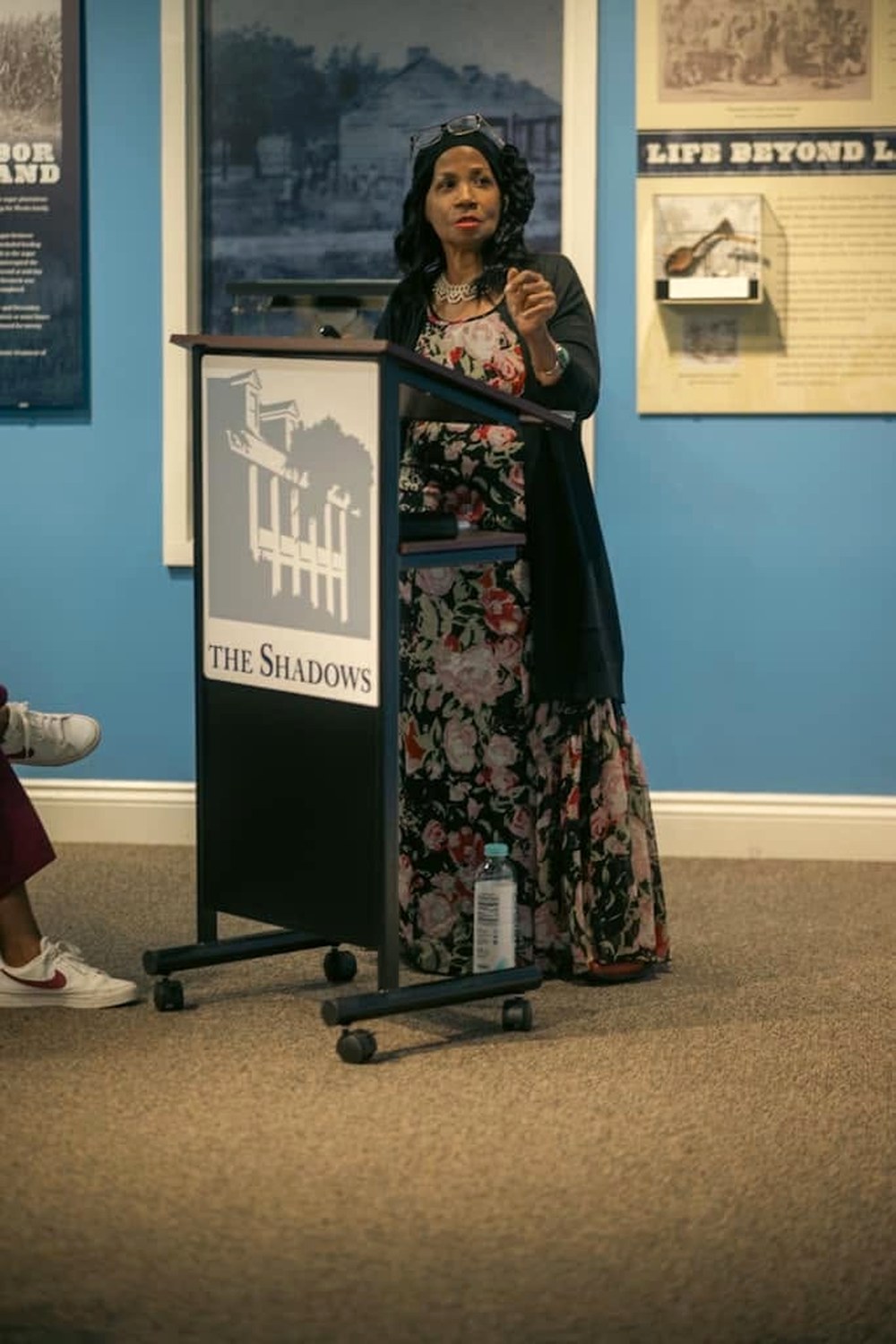
She served on the Bayou Vermilion District Board of Commissioners, appointed in 2023, where she argued the district’s work should not stop at the parish line. She served on the board of Move the Mindset, the organization that pushed to take down the Confederate Mouton statue in downtown Lafayette. She had been Director of Grants and Communications at SMILE Community Action Agency. She hosted a Louisiana Endowment for the Humanities lecture series with the Iberia African American Historical Society.
That is the resume. It is not why I am writing this.
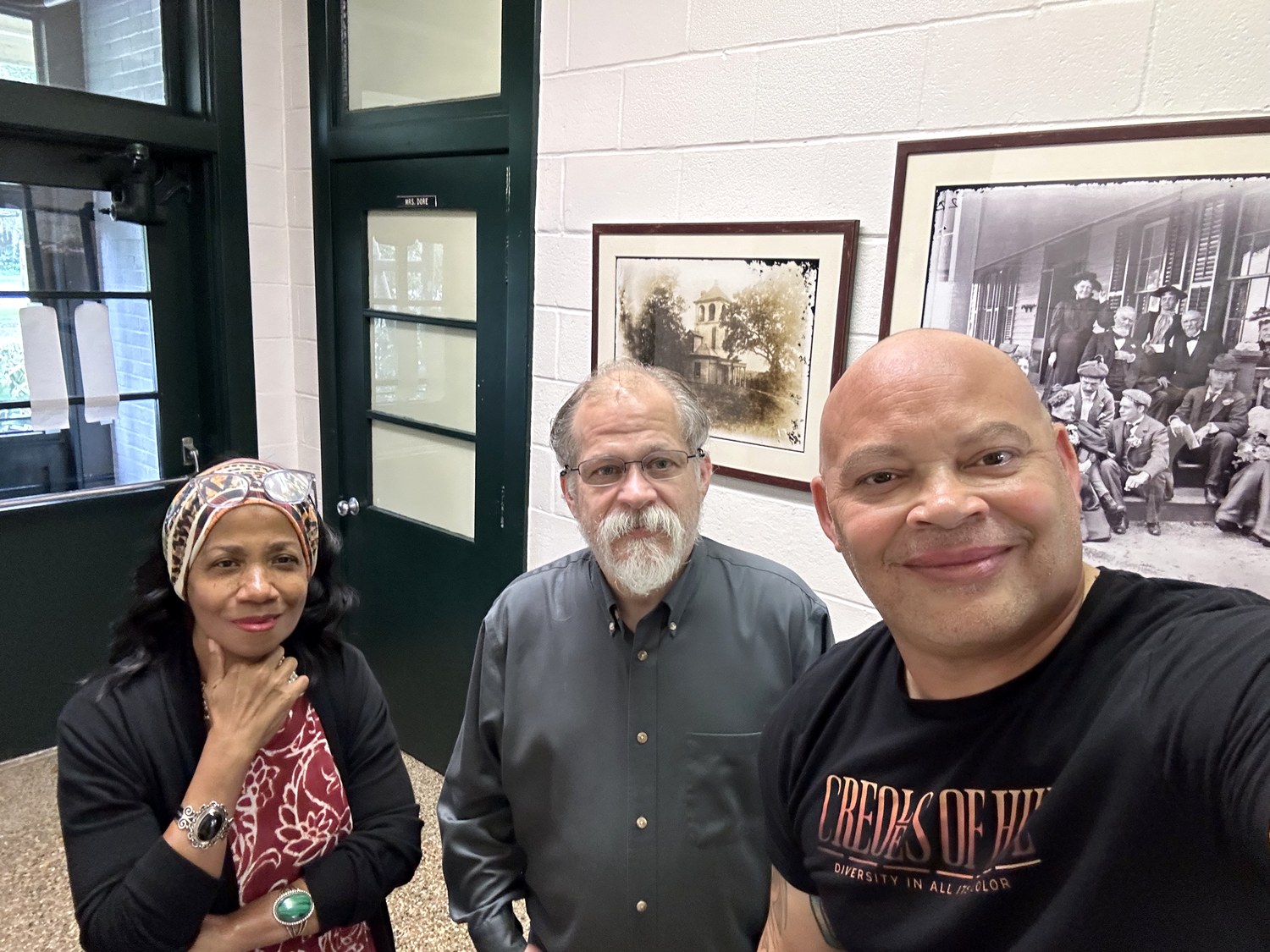
The Book, and the Three Names In It
On December 29, 2023, we closed out the first year of Creole Tapestry & Luminary Voices, the honoree book we built at Louisiana Creole Culture to document our own people — created by us, for us. We named the honorees that night. The list ran long on purpose. Three of those names were Ruth Foote, Bryant Benoit, and Lee Allen.
I did not know, writing that list, that I was naming three people we would lose inside the span of a single year. Bryant — the collage artist the Acadiana Center for the Arts called a documentarian of Creole culture — gone in 2026. Lee Allen Zeno — who carried the bass line of Buckwheat Zydeco’s band for nearly forty years — gone on May 3, 2026. And now Ruth.
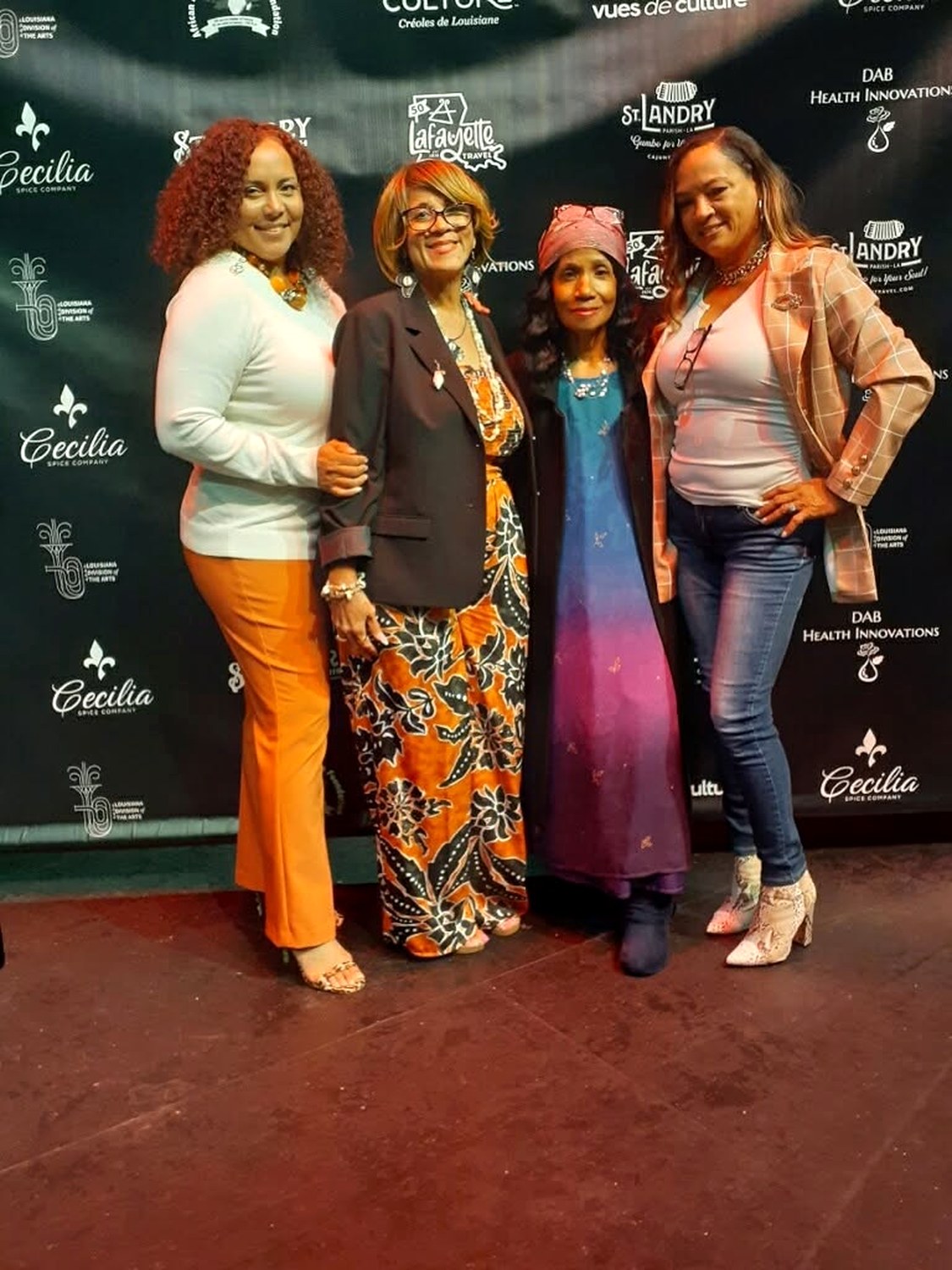
A month ago, Lafayette Bicentennial — @lafayette.1823 — called to tell me they were taking that book, in digital form, into the city’s official Time Capsules. The capsule will be opened in 50 years. Another in 100. I was beside myself. After the criticism, the lack of funding, the comments from people who do not do the work — the record we made of our own people was being sealed into the city’s memory on purpose.
I understand now what that call was. It was the answer to the only question that has ever mattered in this work. The names will be remembered. The question was always whether the record would be on file when someone went looking. In 2074, and again in 2124, someone is going to open that capsule and find Ruth Anita Foote’s name. They will know she was here. They will know what she carried. I did that while she could still see me do it.
The Photograph
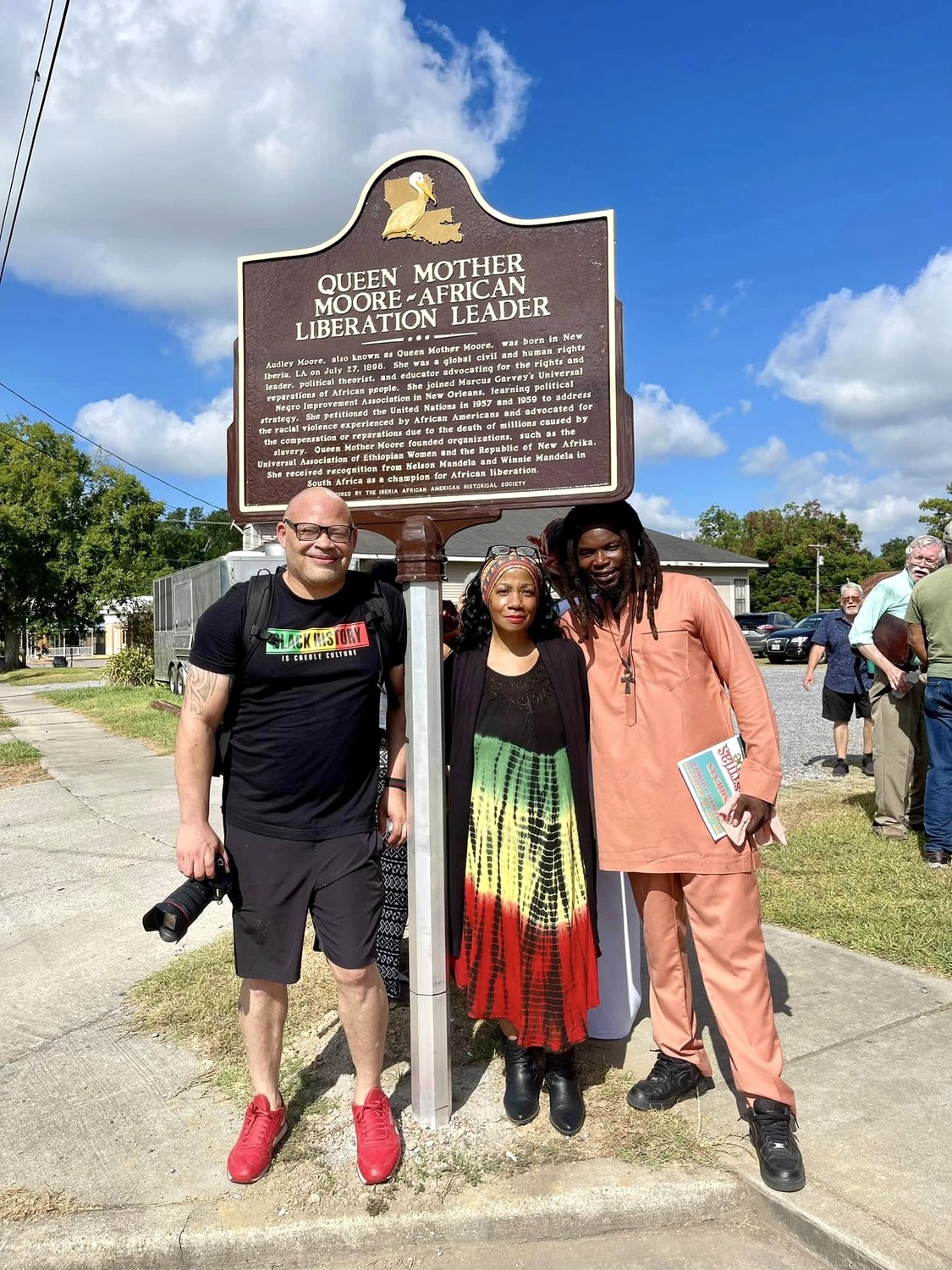
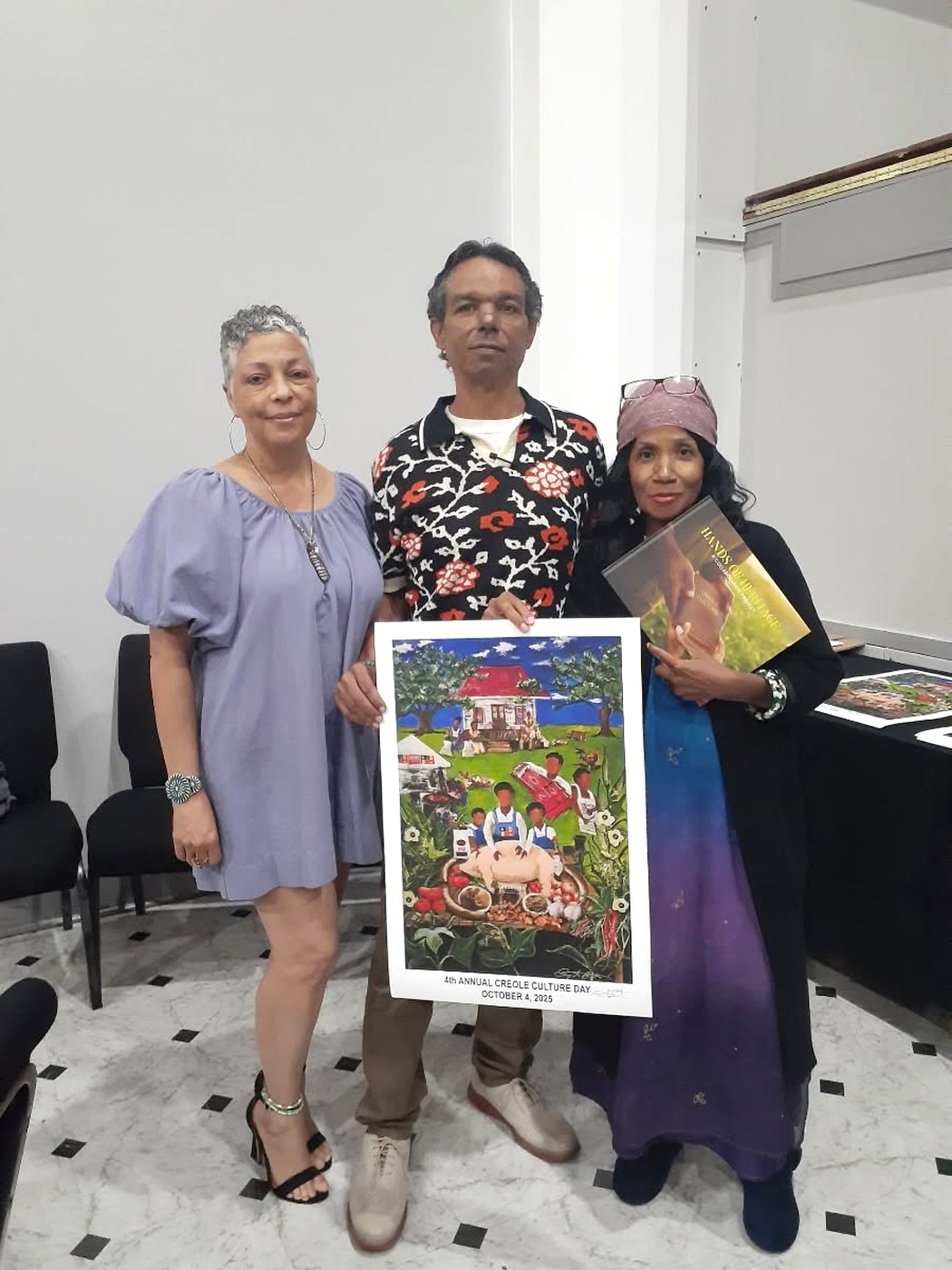
There is a picture from the opening of Creole Heritage Month — October 1, 2025 — at the launch of our Hands of Heritage book, the way we have opened the season ahead of our 4th Annual Creole Culture Day for four years running. Joey, Bryant’s wife, is on the left. Bryant is in the middle, holding the painting he made for that year’s official poster. It was the last piece he ever finished. Ruth is on the right, holding the book. She wrote the ending of it.
Two people who are gone now, standing shoulder to shoulder, each holding the last thing they made for me. I took that photo. I did not know what it was when I took it.
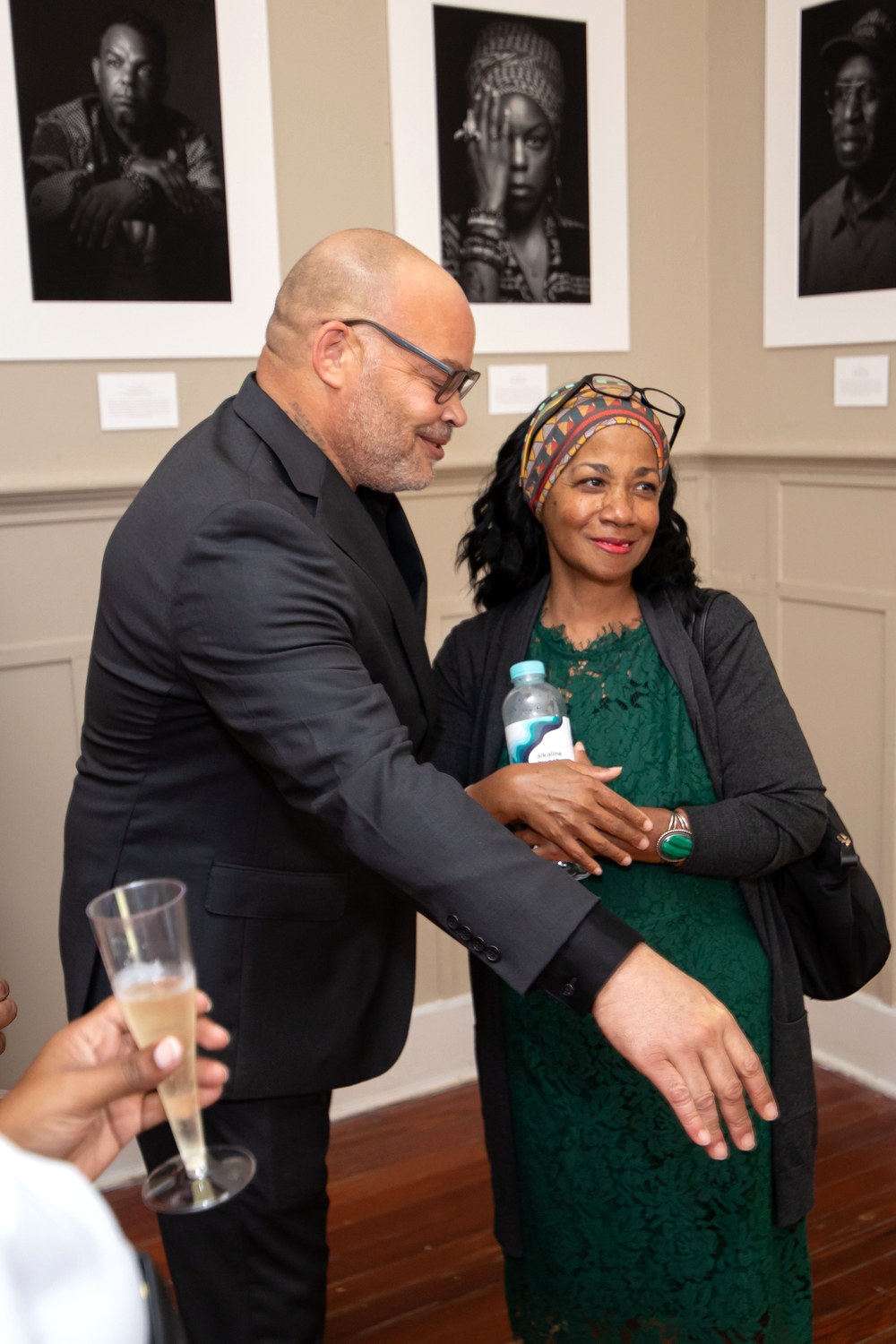
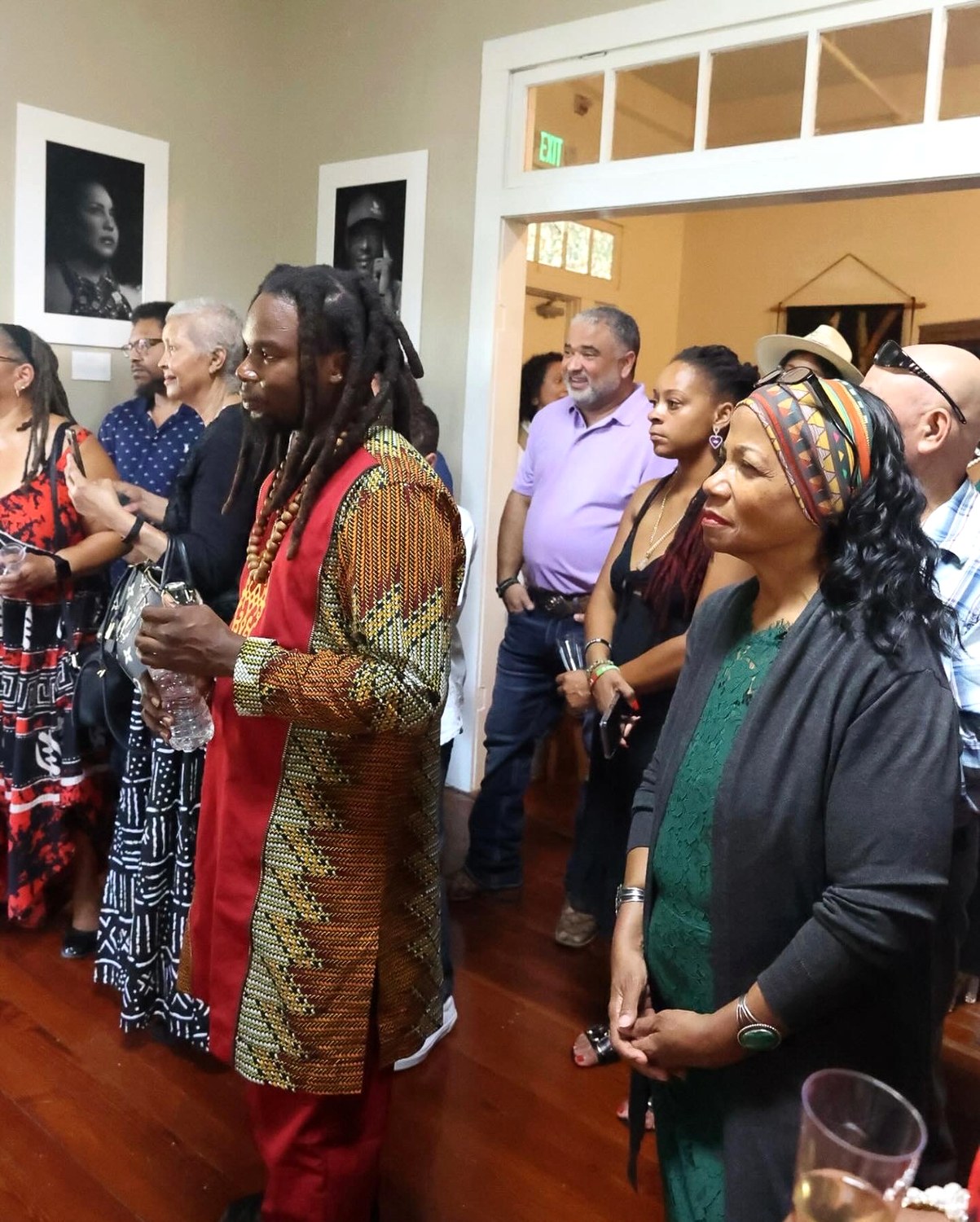
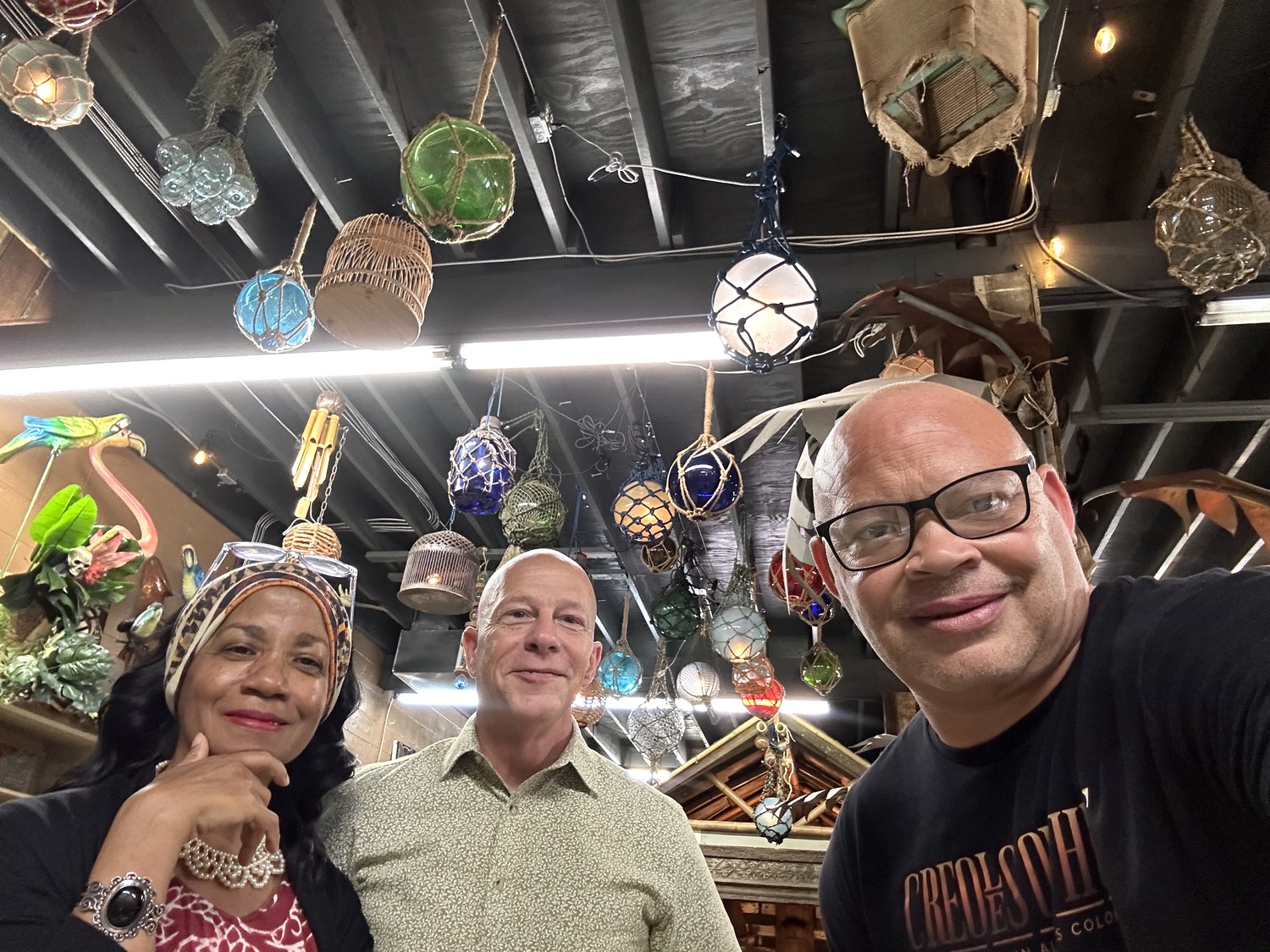
Ruth wrote the closing of that book the way she wrote everything — last, carefully, after everyone else had said their part. She was supposed to write the educational companion for Built on Zydeco, too. We had been talking. I knew she was sick. That is why, at our board meeting on June 3rd, our entire board decided to pick the essay up and finish it ourselves — and Dustin, Robert, and I did. The dedication is already set in the front of it, and it does not change now: To Ruth Foote — who began this essay and trusted us to finish it.
The Gap
Ruth Foote made it her life’s work that no one in Black Acadiana would go into the ground undocumented. She wrote the King of Zydeco’s obituary. She wrote the desegregation that the university tried to remember as painless. She wrote the ending of our book. She handed the next story to a younger writer instead of keeping it.
She documented everyone. The honest question The Archive always asks is whether the documentarian herself is documented — whether a Louisiana institution holds her papers, her Creole Magazine files, her unpublished drafts, the research behind the desegregation book, the correspondence. As of this writing, I do not know of one that has asked. That is the gap, and it is the same gap every time. We are very good at producing the people who keep the record. We are bad at keeping the record of the people who keep it.
So here is what I know. Ruth Anita Foote is in the time capsule. Her name is in the book, in my handwriting on the honoree list and in the printed pages after it. Her words are in the ending of Hands of Heritage. Her name is in the front of Built on Zydeco. Her byline is on Clifton Chenier’s obituary, on file at a funeral home in this city, where it has been for thirty-nine years.
She was my friend in real life. She was my champion before I had earned one. The work she spent her life on is the reason I can write this sentence and know it will still be readable in a hundred years.
The names will be remembered. Ruth made sure of that for everyone else. We owe it to her to make sure of it for her.